The drills, progressions, and shoulder conditioning needed to hold your first handstand.
22.11.2025
CALISTHENICS

The handstand has become one of the most aspirational skills in modern fitness — a symbol of body control, strength, and mastery not measured in kilograms or miles. With systematic progressions, most people can achieve their first freestanding handstand within three to six months.
Building the Foundation Before You Kick Up
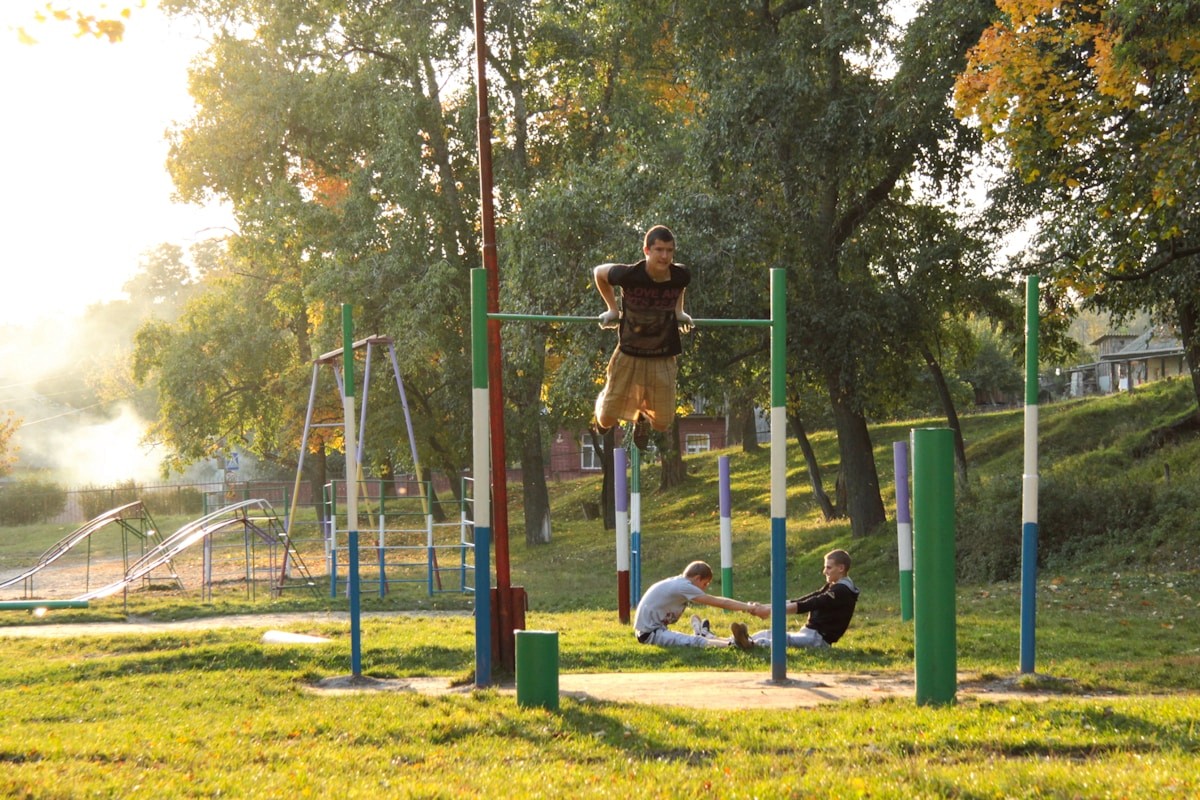
Shoulder conditioning comes first. Handstand training places significant load on the shoulder girdle in an overhead position few people spend meaningful time in. Jumping into wall kick-ups without preparation is the primary cause of wrist and shoulder discomfort that stops beginners early.
The wall is your friend, not a crutch. Wall-supported handstands allow you to develop the proprioceptive awareness of the upside-down body and build the shoulder endurance needed before balancing attempts. Accumulate five minutes of wall handstand time daily.
The Critical Skill: Developing Balance

Balance is the skill that separates a supported handstand from a freestanding one — and it is learned, not inherited. The key mechanism is the finger press: using the fingers to make constant small adjustments, exactly as feet do during standing.
Chest-to-wall handstands allow you to find the stacked alignment — ears between arms, hollow body, heels to the ceiling — without arching. Time spent in this alignment, feeling for the balance point, directly transfers to freestanding attempts.